
"labour-intensive production"
40 article(s) found
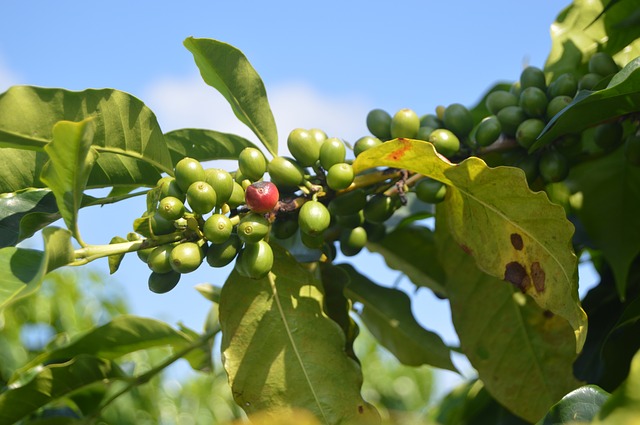
Is organic coffee a publicity stunt or a guarantee? Does organic coffee taste better?
Professional coffee knowledge exchange More coffee bean information Please pay attention to coffee workshop (Weixin Official Accounts cafe_style) Organic coffee requires growers to adopt conservation methods with little impact on the environment. Organic production system pays attention to maintaining soil fertility, avoiding soil erosion and creating a healthy ecological environment. Many organic growers see it as a way of life. However,

A brief introduction to the description of flavor, taste and aroma characteristics of spicy and unrestrained Kenyan boutique coffee beans
Almost all Kenyan coffee is sold through the coffee exchange in Nairobi, the capital. Coffee auctions are held at coffee exchanges every Tuesday during the harvest season. Traders with trading qualifications will get raw bean samples in advance, and after the cup test, they will choose the raw beans they like. In the following auction, the highest bidder will get. The coffee auction system in Kenya is considered

Kenya Jinchu Valley Coffee Bean Origin and Development History and Culture
Large farms usually have separate treatment facilities. A large number of small farmers usually pick ripe coffee berries by hand. Coffee picking is labour-intensive, requiring the whole family to work and even workers to be hired during harvest season. Fresh coffee picked needs to be transported in time to a cooperative-owned coffee processing plant for pulping, possibly by ox cart

What is the difference in the flavor of coffee beans between the Central Valley of Costa Rica and the Brenka region?
Professional coffee knowledge exchange more coffee bean information please follow the coffee workshop (Wechat official account cafe_style) [origin] Costa Rica [coffee region] Central Valley [treatment] washing [roasting] medium-light roasting [beans] Caturra [altitude] 1500m [grade] SHB [net content] 227g (half pound) dry aroma: fermented fruit aroma, berries, cocoa, fruit

Kenya coffee beans estate production area flavor description processing method grinding scale introduction
Bourbon Bourbon was first brought to Kenya for cultivation. In the 1950s, Scott Laboratory, an agricultural research institution at that time, made unremitting efforts to select SL-28 and SL-34, two excellent hybrids, which overturned the long-term artificial selection of varieties without natural varieties.

Is PNG Island Coffee Bean an Iron truck Variety? Kigabah Manor, Papua New Guinea
For more information on coffee beans, please follow the coffee workshop (Wechat official account cafe_style). These Papua New Guinea coffee beans come from Kigabah Manor, located in Banz in the western highlands.

Harvest season for coffee planting in Kenya
Follow the caf é (Wechat official account vdailycom) found that the beautiful cafe opened a small shop of its own. The Kenyan coffee variety was originally brought to Kenya to grow Bourbon bourbon. In the 1950s, Scott Laboratory, the then agricultural research institution, made unremitting efforts to select and breed two excellent hybrids, SL-28 and SL-34, which subverted the long-term.

Introduction to Kenya How is Kenya coffee graded?
Kenya coffee growing areas Kenya coffee growing areas are mainly concentrated in Mount Kenya (Mt. Kenya) represents the plateau area. Tropical climate, acidic red volcanic soil for coffee provides a natural suitable growth environment. The main producing areas are Nyeri and Ruiru in the central part. Kenyan coffee varieties originally brought to Kenya for cultivation were Bourbon waves

How coffee beans grow-an introduction to the history of coffee basics
Coffee is grown in 60 or 70 countries in the world, mainly in Asia, Africa and Central and South America. Sweet Home's main product is sweet and warm my heart coffee beans come from these high-quality producing areas. Famous coffee growers such as Brazil, Colombia, Indonesia and so on. Brazil is the world's largest coffee producer, accounting for 1/3 of the world's total output.

The KIKULUNGO Coffee Cooperatives in Angola introduced the current situation of coffee in Angola.
For more information on coffee beans, please follow the coffee workshop (official Wechat account cafe_style) before independence in 1975, Angola produced around 230000 tons of coffee per year, making Angola the fourth largest coffee producer in the world. With the outbreak of the civil war, this reputation ended abruptly in 1975. The conflict lasted 27 years.

Costa Rican Sun treatment of Tank Manor Micro-La Sachi Fine Coffee beans in the Central Valley
Factory name: coffee factory address: No. 10 Baoqian Street, Yuexiu District, Guangzhou City, contact information: 38364473 ingredients table: self-baking shelf life: 90 net content: 227g packaging: raw and ripe coffee beans in bulk: whether coffee beans contain sugar: sugar-free origin: Costa Rica roasting degree: moderate roasting Costa Rica west valley monte solis ei tanque

Indonesian boutique coffee Jiayu Mantenin Crown Series-Yellow Crown Red Honey treatment Flavor
Specification: Grade-1, three times hand-selected varieties: bourbon, Super Adan: Sumatra Aceh province altitude: 1750m harvest time: October-March refining method: red honey treatment reference flavor: vanilla, sour plum, hazelnut [honey treatment] honey treatment method is different from the traditional water washing and sun treatment, which transfers the picked coffee fruit to the treatment plant.

Can you drink coffee raw beans? can you grind coffee raw beans directly? the correct way to drink coffee raw beans
Professional coffee knowledge exchange more coffee bean information please follow the coffee workshop (Wechat official account cafe_style) if you have not tried unroasted coffee beans at home, you have missed a chance to enjoy. Green coffee beans, also known as raw coffee beans, is a completely different product from traditional coffee beans, which has its unique characteristics and attraction. Except that it tastes good
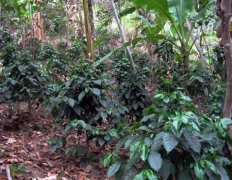
The production of coffee beans with basic knowledge of fine coffee
Coffee trees take 3-5 years from planting to fruiting. 6-10 years of coffee trees are the most likely to bear fruit, about 15-20 years, is the harvest period. Coffee trees are usually bred in nurseries and grow into saplings, and then moved to coffee farms a year later, in full compliance with the way the Arabs planted and cultivated coffee trees. Coffee trees will continue to take root downward and upward in the first four or five years of their growth.

Story characteristics of coffee bean producing areas in Kenya is the flavor of hand-brewed coffee described is Kenyan coffee sour?
Flavor description of coffee bean producing areas in Kenya Bourbon bourbon was first brought to Kenya for cultivation. In the 1950s, the then agricultural research institution, Scott Laboratory, made unremitting efforts to select two excellent hybrids, SL-28 and SL-34, subverting the fact that there are no natural varieties in artificial breeding for a long time.

How many high-quality coffee beans can a coffee tree produce in a year?
A coffee tree can produce a number of high-quality coffee beans a year drying, the operation is relatively simple, the harvested fruit spread on the dry site, in the sun for a week or two, turning when you can hear the sound of clang clang said dried. Then use a hulling machine to remove the flesh, endocarp and silver skin of the dried fruit. This method gives coffee beans a mild acidity and a mild bitterness. Brazil, Egypt

What is the coffee in Guatemala? what are the characteristics of Guatemalan coffee beans?
Professional Coffee knowledge Exchange more information on coffee beans Please follow the coffee workshop (Wechat official account cafe_style) about the sixth century AD, an Arab shepherd named Kaldi secretly observed the goats while grazing and found that they had eaten the red fruit of a wild shrub under the hillside and became extremely excited. The curious Caldy picked the fruit himself and found it muddy after tasting it.

Is Costa Rican Tank Manor Coffee good? the method of making Costa Rican Coffee
For professional baristas, please follow the coffee workshop (Wechat official account cafe_style) factory name: coffee factory address: No. 10 Baoqian Street, Yuexiu District, Guangzhou City, contact information: 020-38364473 ingredients table: home baking shelf life: 90 net content: 227g packaging: raw maturity of bulk coffee beans: whether coffee beans contain sugar: sugar-free origin: Costa Rica roasting degree:

The fruit of coffee tree is picked. Introduction to the process of how to make coffee.
In the washing type, the harvested fruit is poured into the sink, the floating matter is removed, the fruit in the water is moved to the pulp removal machine, the outer skin and pulp are removed, and then put back into the tank to remove the floating matter, the core in the water is poured into the fermentation tank, soaked for half a day or one day, the colloid on the surface of fermented beans is removed, washed, dried or mechanically dried, and the endocarp is removed on the sheller to form commercial raw coffee beans.

The first Asian Coffee Annual meeting-Asian Coffee Market has huge potential
As the predecessor of the Asian Coffee Conference, China Mangshi (International) Coffee Culture Festival has been successfully held for 5 times. At the Fifth China Mangshi (International) Coffee Culture Festival in 2015, it was decided by the members of the China-ASEAN Coffee Professional Cooperation Committee that the China Mangshi (International) Coffee Culture Festival was upgraded to the Asian Coffee Annual meeting in 2016. By China Mangshi (International) Coffee Culture